In Silicon Valley, large tech companies do not hesitate to bring in outside talent to lead high-profile projects. But Apple has traditionally resisted tapping external talent, preferring instead to groom leaders from within, people who understand its culture and ethos and have been with the organisation for years.
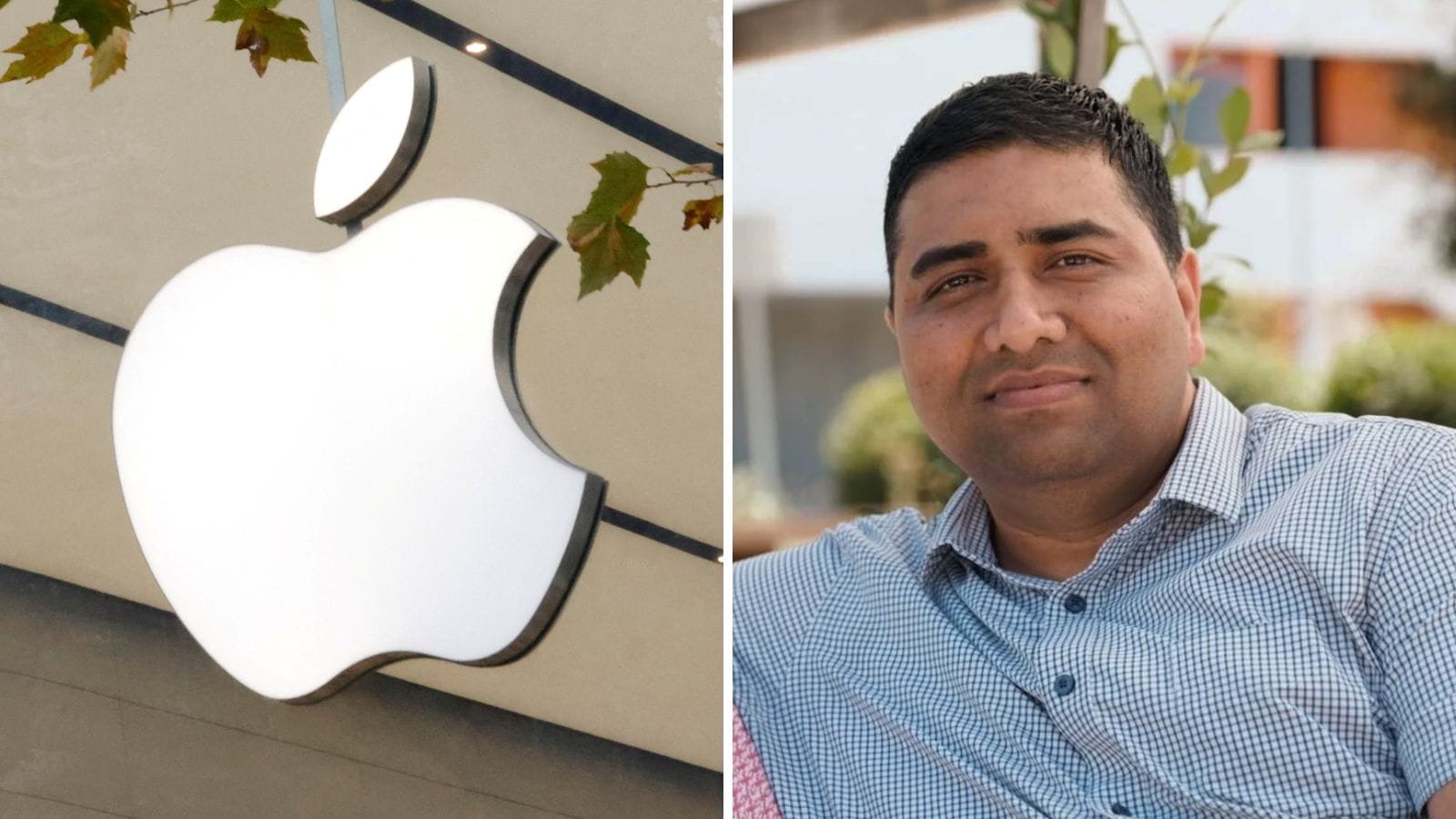
However, there have been exceptions, such as when Cupertino brought in Angela Ahrendts, former CEO of Burberry, to lead its retail efforts. And, this week, Apple has hired Amar Subramanya, an AI researcher who recently worked at Microsoft, and was previously part of Google’s DeepMind AI unit, to lead the company’s AI efforts.

This indicates that Cupertino is changing with the times, and is now more willing to recruit top talent from anywhere, including its rivals.
Subramanya replaces Apple’s head of artificial intelligence, John Giannandrea, who is stepping down from the company. Giannandrea, a senior vice president who reported to Apple CEO Tim Cook, will continue to serve as an advisor until retiring next spring, Apple said.
 Apple gets about half of its revenue directly from iPhone sales.(Image: The Indian Express/ Anuj Bhatia)
It raises the question of why Apple chose to bring in Subramanya rather than appoint a longtime Apple veteran to lead its AI efforts. Apple is a large company, and thousands of engineers and researchers work for the Silicon Valley behemoth. This time, though, the situation is slightly different.
Apple’s hardware-first approach isn’t enough
Apple has had a golden run for years, and under the leadership of Tim Cook, the company has only grown. The iPhone has been the company’s biggest profit maker, and that remains true today, with sales still steady.
But somewhere down the line, iPhone sales will inevitably slow, and Apple has not replicated iPhone-level success with any other product. That puts Apple’s successful hardware-first approach in a tight spot. Apple needs to act fast and create a product that matches or even eclipses the iPhone’s success.
Story continues below this ad
While the empire Apple has built (and the business model that supports it) is undeniably unique, there is a limit to how far it can expand. There are already signs that the iPhone and its software are starting to feel dated.
Sure, the market still hasn’t found a successful alternative to the iPhone, but in Apple’s case, the fundamentals that made it so successful now seem to either need an overhaul or require the company to pivot to a new approach while keeping what is already working.
Simply put, Apple can’t design a pair of smart glasses or a futuristic, screenless device using the existing technology that underpins every product it sells, from the iPhone and iPad to the Mac.
An AI-shaped issue
To a large extent, there is a common perception in both Silicon Valley and on Wall Street that Apple has fallen behind its peers in artificial intelligence. Although Apple’s shares are up in 2025, they have lagged behind other big tech companies, as investors favoured its peers, such as Google, Microsoft, and Nvidia, which have invested billions in AI data centres, chips, and large language models.
Story continues below this ad
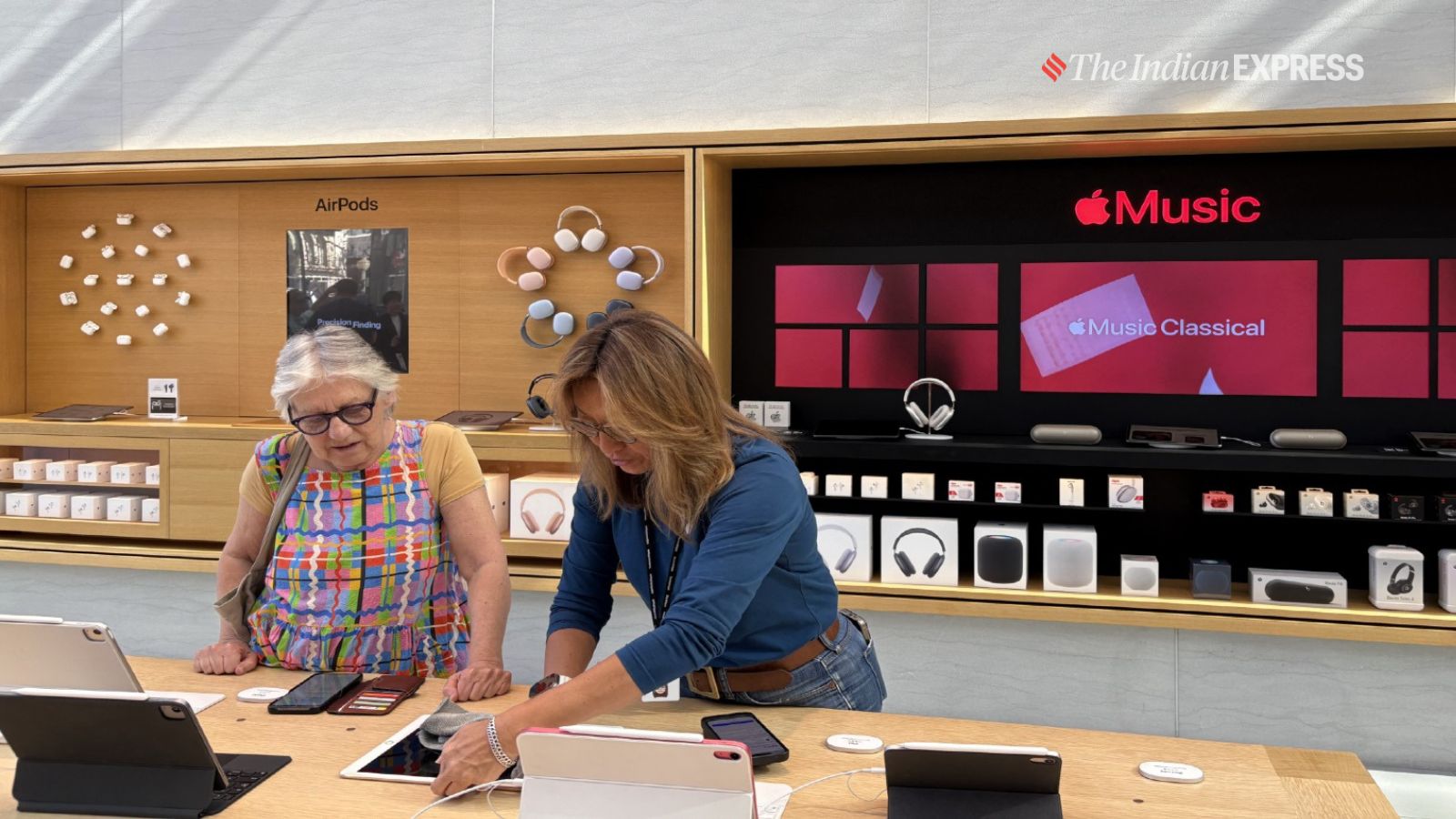 A customer checks the iPad at an Apple Store in Palo Alto, California. (Image: The Indian Express/ Anuj Bhatia)
Initially, when OpenAI’s ChatGPT, an AI chatbot, became a sensation in 2022, and Google and others followed with rival products, one might have expected Apple to respond with its own offering. Apple took time to respond, and when it did, it launched Apple Intelligence amid huge expectations.
Sections of the media hyped the AI system as the next big thing, but it ultimately fell short of those expectations. Both critics and users were disappointed with Apple Intelligence.
A major part of the problem was Siri, Apple’s digital assistant, which was supposed to receive an AI-centric makeover. That overhaul is taking longer than expected, and Apple has delayed the revamped Siri until 2026, signalling the development challenges the company is facing.
Google and OpenAI, meanwhile, are far ahead of Apple and continue to launch new models, keep refreshing their AI systems with updates, despite a highly competitive landscape. Google recently launched Gemini 3, its latest artificial intelligence model, and the response has been overwhelmingly positive, helping Alphabet’s market cap surpass Microsoft’s. Alphabet’s shares are up nearly 70 per cent this year.
Story continues below this ad
Apple’s threefold challenge
First and most prominent is the difference in business models. While Apple has to distribute AI primarily through its devices, Microsoft, Alphabet’s Google, Meta, and Amazon can deliver AI through their massive global networks, which were already designed to support their core business services.
Another issue for Apple is that on-device AI hasn’t been popular and remains far from a major selling point for products such as PCs and smartphones.
The biggest drawback for Apple is its lack of robust cloud-based AI capabilities, which means it still needs to partner with companies like Google or OpenAI to effectively bolster its AI offerings. The company struck a deal with OpenAI last year, and there are already reports that Apple may cut a similar deal with Google in the coming months. In fact, Apple may end up paying $1 billion annually to license Google’s Gemini AI to revamp Siri, a Bloomberg report claimed last month.
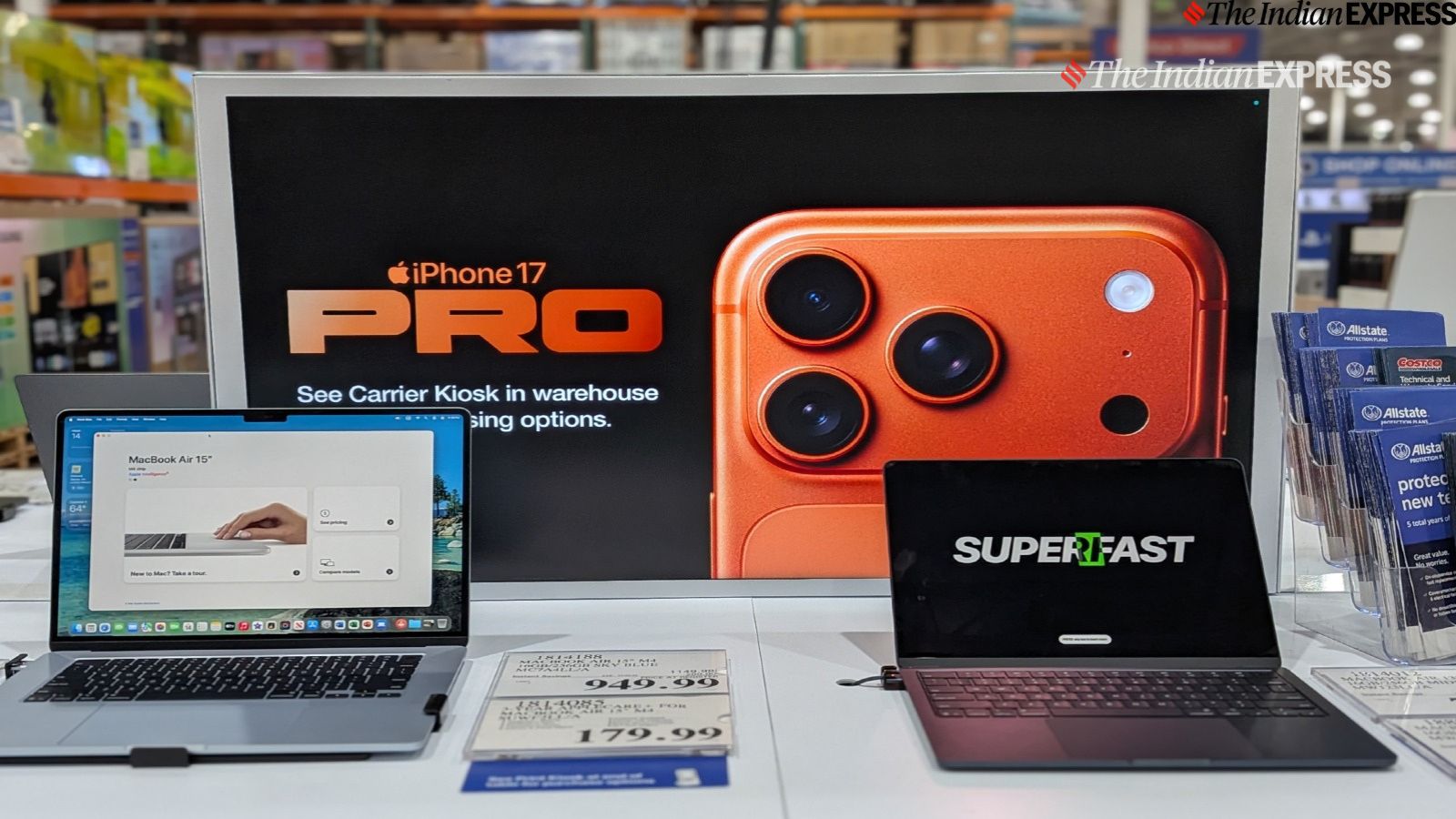 In the future, the smartphone will transition into a different kind of device that will center on spatial intelligence. (Image: The Indian Express/ Anuj Bhatia)
The point to note is that Apple needs to prove that AI can be a selling point for its devices – and that’s what its business model demands. And that’s where things get complicated. The company once built a walled garden, with tight integration of hardware, software, and services. If Apple has to rely on a competitor’s AI, it effectively creates a crack in the foundation of that integrated ecosystem. This means that, by depending on a competitor, interactions will rely entirely on server-side intelligence to deliver frictionless functionality.
Story continues below this ad
By integrating Gemini, Apple cedes control to Google. Imagine every single query, preference, and data passing through the AI-powered Siri being processed, optimised, and learned from by Google’s core capabilities. It’s like handing the core iPhone experience over to Google.
Hypothetically, Siri’s new features will depend on how Google’s AI advances. Let’s be clear: Google would likely reserve its best features for its own products rather than making Apple’s Siri the best AI assistant.
A lot is riding on Amar Subramanya
Maybe Apple will never come close to OpenAI or Google in artificial intelligence, and that’s fine. But the company has never shared a clear vision for how it wants to bring AI to its products, which is a big red flag. Apple likely knew it was lagging behind the competition and did not want to admit it publicly. No public company would want to do that, including Apple.
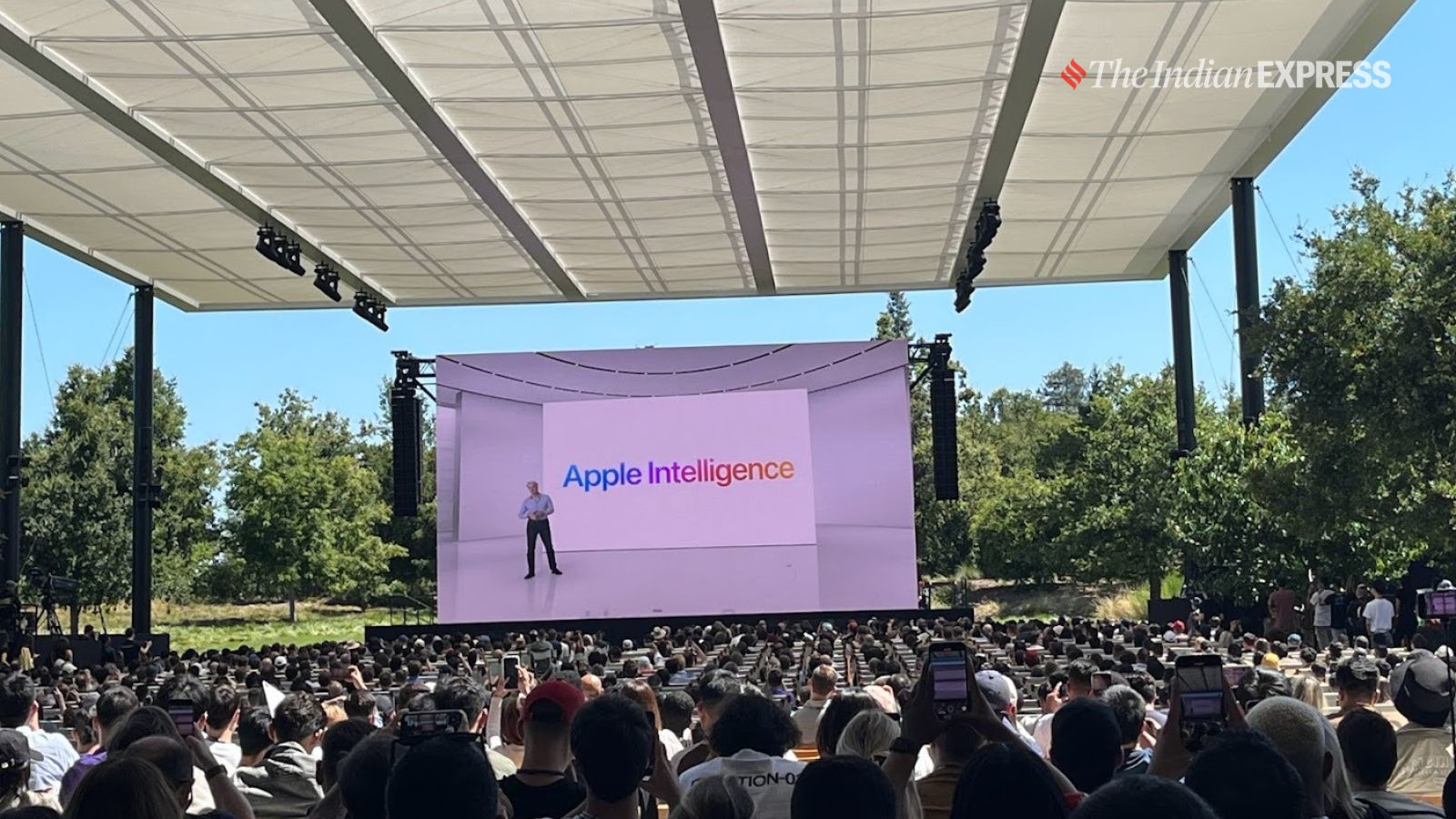 Apple Intelligence has largely been seen as a failure. (Image: The Indian Express/ Anuj Bhatia)
With the appointment of Subramanya, Apple has made it clear that its approach needs to change and that the company is ready to move forward with its internal AI strategy, though that strategy remains unclear. Subramanya will lead teams working on Apple’s foundation models, research, and AI safety. He has expertise in artificial intelligence and previously served as Microsoft’s corporate vice president of AI.
Story continues below this ad
He also spent 16 years at Google, where he was head of engineering for its Gemini AI Assistant, often regarded as one of the best in the industry. Subramanya will report to Craig Federighi, Apple’s head of engineering, who has also taken on a larger role in AI at the company in recent years.
Apple’s success in the AI landscape can only happen if the company owns the AI stack. Without proprietary AI, Apple can never lead – let alone compete with its peers.