This is the first time Australia, indeed, any country, has introduced a law aimed at reducing the risks and harmful content that children are exposed to on social media, which is designed to keep users hooked to these platforms for longer, pulling young children who are already vulnerable into the trap of likes and negatively affecting their mental health.

With Australia’s world-first social media ban for children under 16 just a week away, we break down what the ban is about, how it works, which platforms are affected, and whether children will be able to appeal to reverse the ban.
From mental health issues to pornography
At first glance, Instagram may seem harmless, a social platform where users can share photos and videos with the world. But beneath the surface, Instagram has become addictive for many; some even compare it to a drug.
However, the real problem is in what is shown to us and how much it diverges from reality. Influencers promote smartphones, flats, cosmetics, resorts, and hotels, all in the name of a lifestyle that ordinary people “aspire” to.
In reality, most of what you see on social media is paid content, and that’s how the influencer economy works. Anyone can become an influencer and start an Instagram page or YouTube channel with zero followers and chase online fame, but creators are not bound to the bastion of truth and therefore lack moral accountability.
While this strategy benefits brands and influencers, it has harmed users’ mental health. Children take extreme steps to look like certain celebrities, influencers pose as dieticians, and younger generations are targeted with cosmetic procedures like Botox and are sold to achieve a certain look.
Story continues below this ad
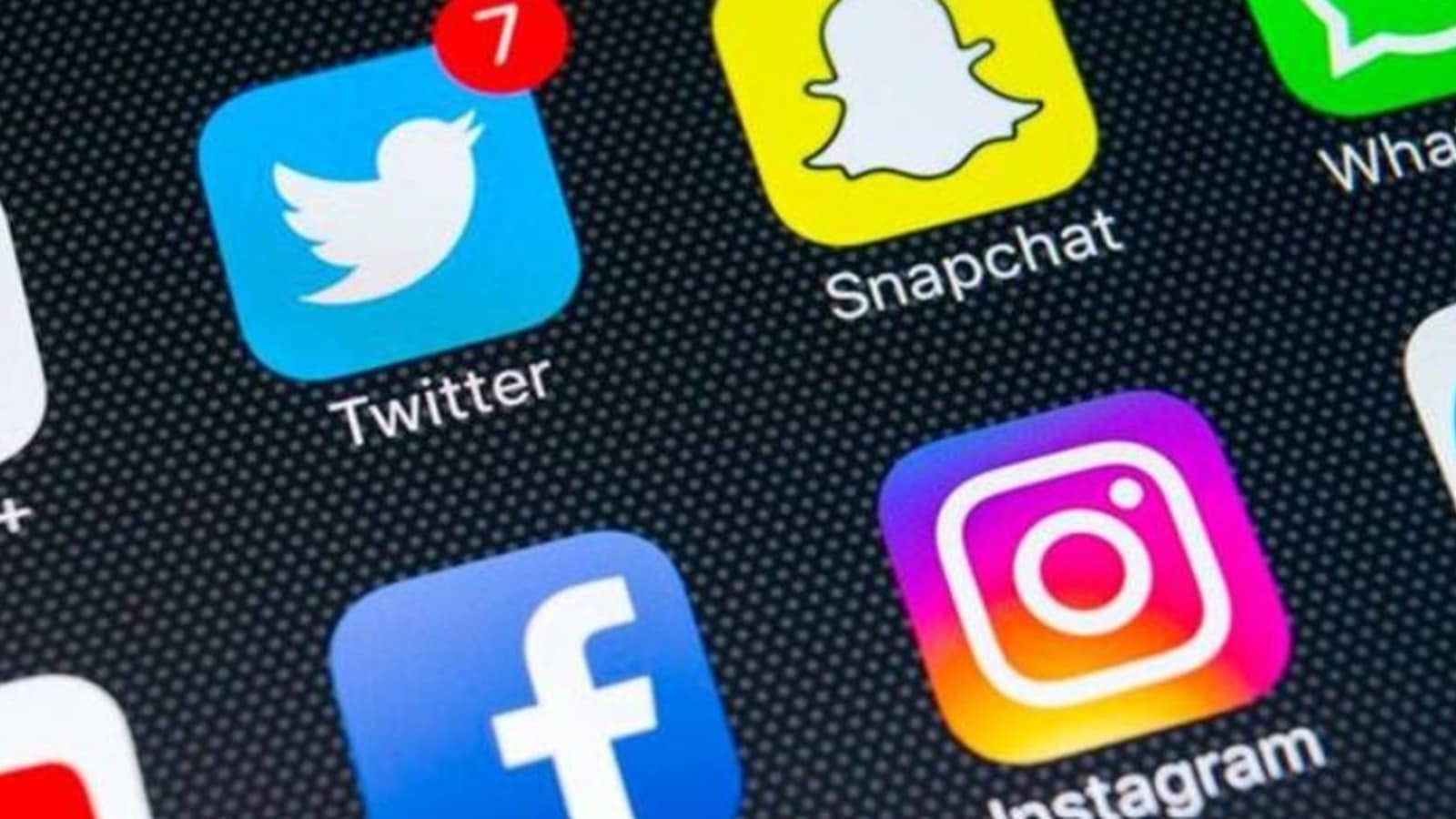 The Australian government says the restriction is needed to counter the worsening mental health crisis caused by excessive social media use. (File Photo)
A study published in The Lancet revealed that 27 per cent of teens who frequently used social media reported high psychological stress. In another study, 14- to 17-year-olds whose social media usage exceeded seven hours per day were more than twice as likely to have been diagnosed with depression.
Platforms like Instagram have become a gateway to pornographic content and a place where drug dealers use fake accounts to offer non-medical and pharmaceutical drugs for sale, as young children and teens make up the biggest user base on these social media platforms.
Social media platforms have also been accused of failing to protect the internet’s most vulnerable users, with LGBTQ people in particular being targeted with homophobic slurs, cyberbullying, and harassment.
While there are some benefits, social media use poses a profound risk of harm to kids, which is why there are growing voices calling for tighter regulations on social media platforms and how they operate.
Story continues below this ad
What is Australia’s social media ban?
Simply put, when the ban goes into effect, millions of accounts on Instagram, TikTok, and other platforms held by teenagers under 16 will be deactivated. The ban was passed into law in November 2024 and is supported by the majority of Australians.
The Australian government says it is protecting children from harmful content, including causing misinformation, enabling bullying and spreading harmful depictions of body image.
The ban, a historic move, will test whether social media platforms are doing enough to prevent children under 16 from accessing them.
The Australian government began consultations in 2023 on age-based restrictions, which laid the groundwork for drafting the amendment to the Online Safety Act, 2021.
Story continues below this ad
The proposed legislation, titled the Online Safety Amendment (Social Media Minimum Age) Bill, 2024, was introduced in the country’s parliament on November 21, 2024, and passed through both Houses, amending the Online Safety Act 2021. It received Royal Assent on December 10, 2024.
To give platforms time to comply, enforcement under Section 63E was delayed by up to 12 months.
On July 29, 2025, Minister for Communications Anika Wells set December 10, 2025, as the date Section 63D would take effect and issued rules clarifying which services are exempt from the age restrictions.
The law establishes specific requirements for children’s access to social media platforms, the most notable being a ban in Australia on children under 16 from holding accounts on these platforms. Tech companies operating social media platforms will be expected to introduce and enforce age gating to prevent children from using the platforms.
Story continues below this ad
It also has compliance requirements, privacy protections, civil penalties, and regulatory oversight.
 Australia’s ban on social media for children under 16 could be a landmark bill if implemented correctly. (File Photo)
Which platforms will be banned and which will be exempted?
The Australian government has included Snapchat, Facebook, Instagram, Kick, Reddit, Threads, TikTok, Twitch, X, and YouTube on the list of platforms, ensuring that young Australians cannot hold accounts on them.
However, the government has noted that this is a dynamic list and more platforms could be added at a later stage. This is to address the situation in which children move to another platform after the ban takes effect; similar rules will apply.
Platforms such as YouTube Kids, Google Classroom, WhatsApp, and job platforms like LinkedIn are exempt from the ban. The ban also does not apply to Pinterest.
Story continues below this ad
Meanwhile, gaming platforms such as Roblox and Discord have recently introduced age checks on some features to avoid being affected by the ban.
How will the ban be enforced?
The ban does not punish children or their parents. Instead, it targets social media platforms, which will be held accountable and required to enforce the rules. Otherwise, they could face fines of up to $49.5 million ($32 million) for serious or repeated breaches.
Platform holders are in the spotlight, and to comply with the amendment’s requirements, the government says these companies must take “reasonable steps.”
The law does not specify what technology should be used or how age should be verified. The only requirement from the government is that requesting ID cannot be the sole method of age verification.
Story continues below this ad
How are social media platforms adhering to the ban?
Meta, the company behind Facebook, Instagram, and Threads, says it will start removing teenagers and children from its platforms from December 4. It is encouraging children under 16 to download their content before the ban takes effect.
There are around 350,000 Instagram users aged 13–15 in Australia, and approximately 150,000 Facebook accounts.
Snap, meanwhile, says users can deactivate their accounts for up to three years, or until they turn 16. The company stated that users can verify their age using bank accounts or photo IDs, or by taking a selfie, which will be used to estimate their age.
Last month, TikTok told the Australian Parliament that it is developing a button to report suspected underage users. The social media platform has over 200,000 users aged 13 to 15 in Australia.
Story continues below this ad
Local Australian media previously reported that Google-owned YouTube has been considering legally challenging its inclusion in the under-16s social media ban. The platform argued that YouTube is not a social media platform but a video streaming service, and therefore should not be included in the ban.
Another concern raised is that the ban could constitute an “impermissible fetter” on the implied constitutional freedom of communication on YouTube, which would prevent those under 16 from contributing “to political communication by posting videos on YouTube and by making comments on those videos,” as reported in The Guardian.
While tech platforms have no choice but to comply with the ban or risk fines, most are based in the US and have opposed the law. In fact, powerful lobby groups representing US tech giants Meta and Alphabet, Google’s parent company, are urging President Donald Trump to reprimand Australia over the social media ban that could hamper their growth in the country.
What has been the reaction to Australia’s social media ban for children?
The Australian law has sparked controversy and divided opinion, with some critics arguing that the ban compromises children’s autonomy and freedom of speech.
In fact, two 15-year-olds, Noah Jones and Macy Neyland, are challenging the law in the nation’s highest court, arguing that instead of banning social media platforms, the focus should be on banning harmful content.
Some also argue that the ban on social media for those under 16 could cause more harm, isolating children and cutting them off from the rest of the world. Others note that, since children are digitally savvy, they may find ways to bypass the ban by opening new accounts with fake ages.
The government, however, has warned social media companies that it expects them to detect and remove such accounts.
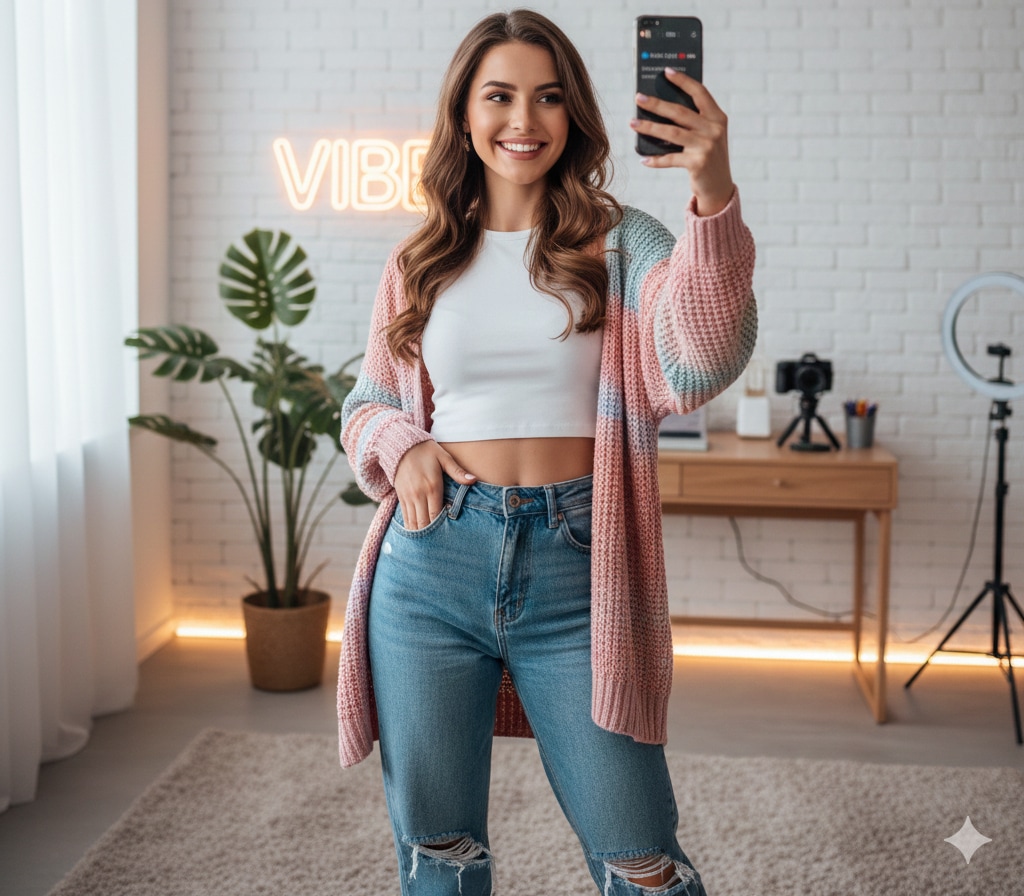 Influencers portray a glossy version of their lives, giving a false sense of reality, and young teens come under their influence. (Image credit: Google Gemini)
What are others doing to address children’s use of social media?
Other countries around the world are closely watching how this law is implemented, what works, what doesn’t, and, most importantly, how effectively Australia manages to ban the use of social media for those under 16, as this is being done for the first time, even though the number of social media users in the country is small compared to markets like Indonesia and India.
India has no specific legal restrictions preventing children from using social media. However, the Digital Personal Data Protection Act, 2023, requires stricter safeguards for processing children’s data, mandating that data fiduciaries obtain “verifiable parental consent” for individuals under 18.
Earlier this year, New Zealand’s Prime Minister, Christopher Luxon, proposed introducing a similar bill to restrict children’s social media use. The draft bill is modelled on Australian laws and would require digital platforms to verify users’ ages or face heavy fines.
Indonesia, too, has said it is preparing legislation to protect young people from “physical, mental, or moral perils.” Although the government has yet to announce a specific age limit, it says strict regulation is needed. Denmark is another country that announced that it would also be banning social media use for children under 15.
In the United Kingdom, the Online Safety Act imposes a duty of care on social media firms and other user-generated content sites, requiring them to take responsibility for harmful content uploaded and spread on their platforms.
Earlier this year, new provisions in the Online Safety Act came into effect, requiring large online platforms to implement age checks to prevent children from accessing pornographic and inappropriate material. However, this sparked backlash from both UK internet users and US politicians over concerns about online privacy and censorship.
In the United States, the Children’s Online Privacy Protection Act (COPPA) has been in effect since 2000, and has been revised several times. The law restricts the collection of personal information from children under age 13 and applies to social media platforms.