Amazon is reshuffling the management of its artificial general intelligence (AGI) group, following in the footsteps of other Silicon Valley heavyweights that have made significant executive-level changes reflecting the current tech climate. The announcement was made by Amazon CEO Andy Jassy in a blog post on Thursday
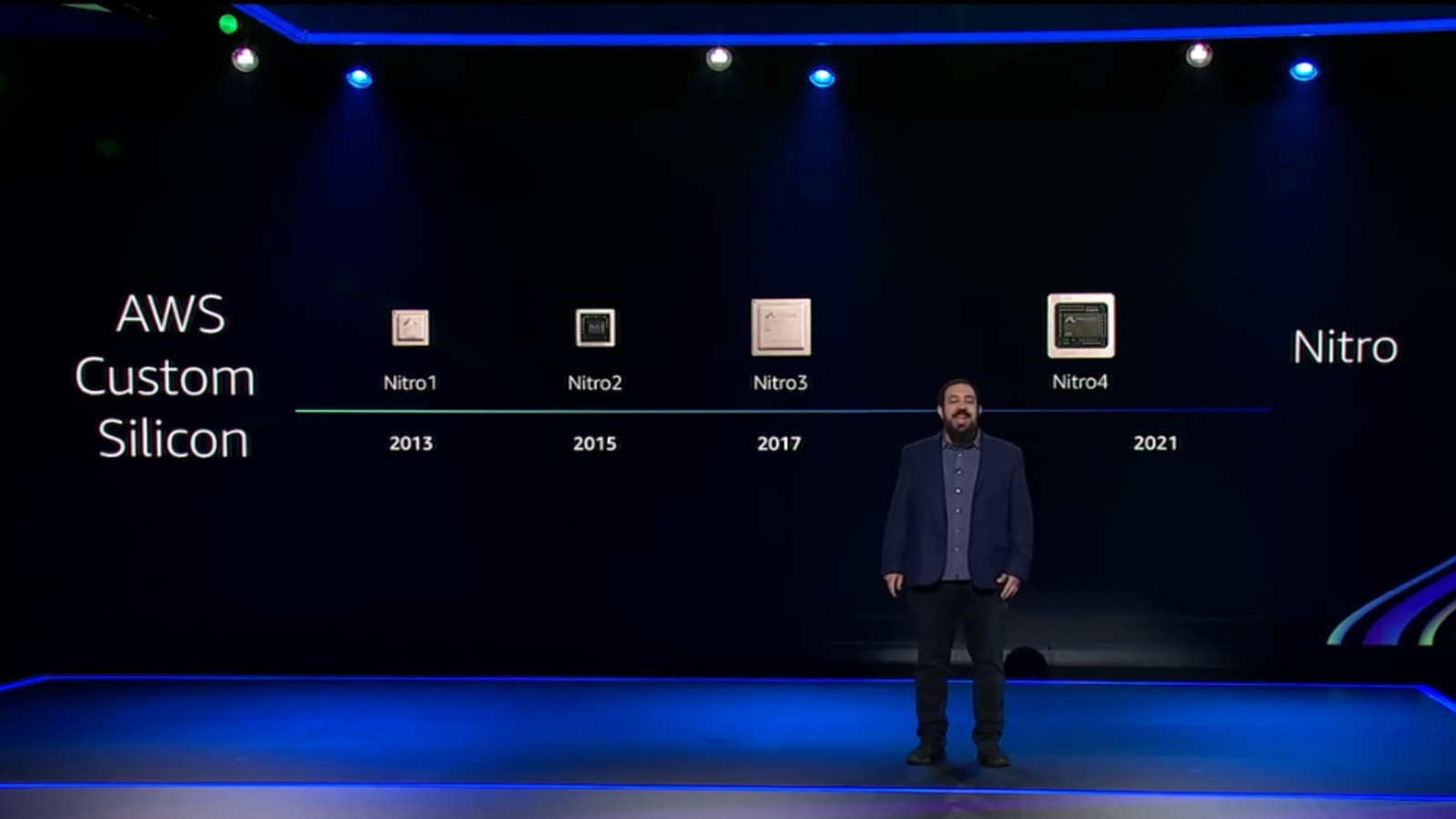
As part of the move, Amazon has named Peter DeSantis to lead the AGI unit, which now also includes the silicon development and quantum computing teams. DeSantis is a 27-year Amazon veteran who currently is senior vice president in its cloud division. He joined Amazon in 1998 and rose through AWS to become a senior vice president in 2016. Over the past four years, he has led AWS’s core computing product teams, including compute, storage, databases, security, and custom chip development.

DeSantis replaces Rohit Prasad, a top Amazon executive who oversaw the company’s artificial intelligence unit. Prasad joined Amazon in 2013 and previously served as the head scientist for Alexa before being tapped to lead the company’s AGI development in 2023. He will leave the company by the end of the year.
“With the foundation that’s been built, the traction we’re seeing, and Peter’s leadership bringing unified focus to these technologies, we’re well-positioned to lead and deliver meaningful capabilities for our customers,” Jassy wrote. “I’m excited about what this team will build and how these foundational technologies will help shape Amazon’s future.”
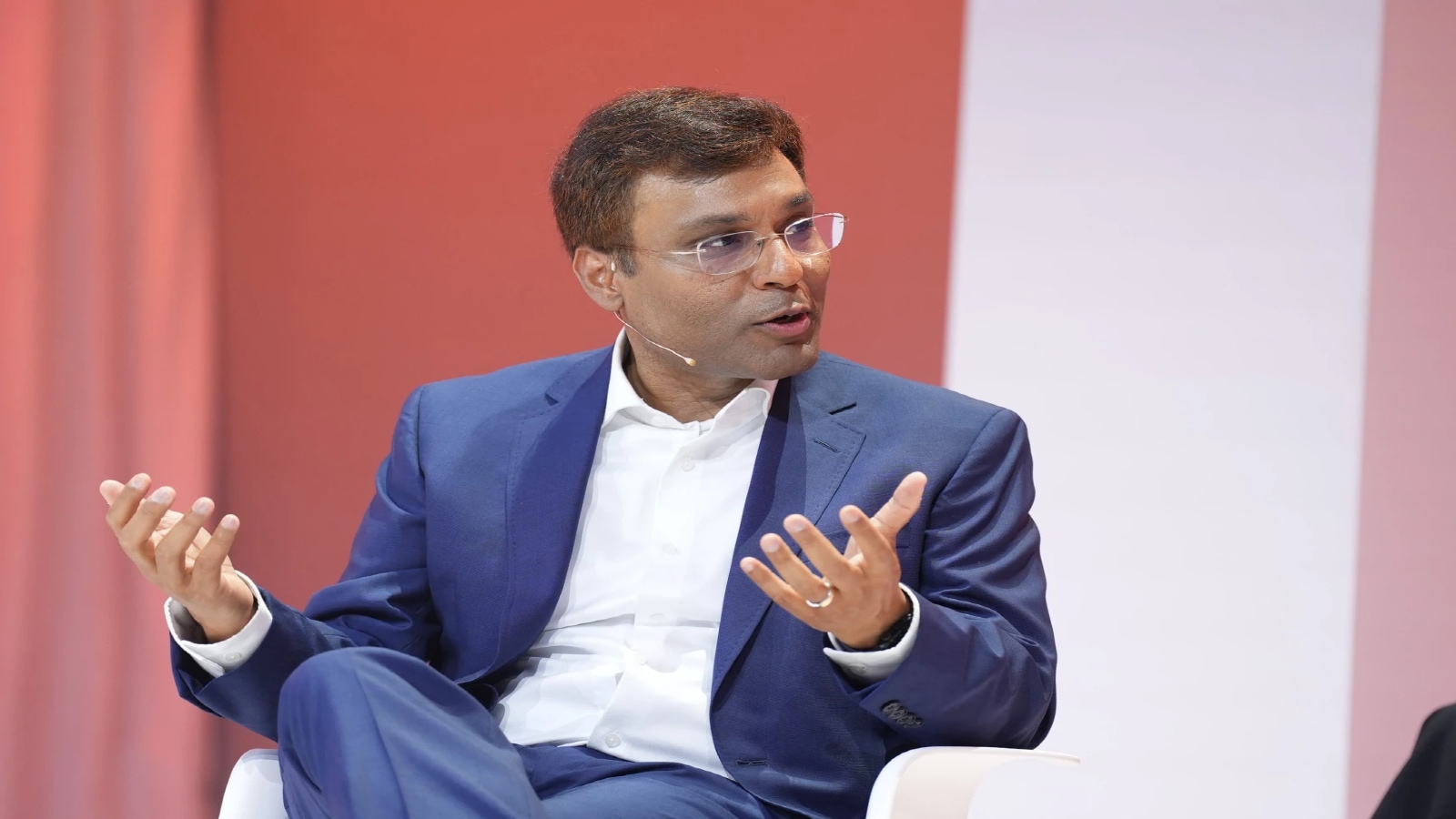 Prasad has played a key role in Amazon’s voice assistant Alexa. (Image credit: Amazon)
The executive leadership reshuffle at Amazon’s AGI unit signals that the company is razor-focused on artificial intelligence as a key priority, an effort aimed at sending a broader message that the e-commerce giant isn’t falling behind its rivals in one of the most critical and emerging technologies poised to disrupt every aspect of the global economy. In the past few months, Amazon has made several bold moves to increase its share in the global AI race, including releasing its own foundation models called Nova as well as designing its own line of Trainium custom AI chips that competes with the likes of Nvidia.
Trillions of dollars are at stake as tech companies chase AI as the next frontier, one that will touch the everyday lives of billions of people. In recent months, OpenAI, Microsoft, Nvidia, Google, Oracle, and Amazon have made huge investments in new data centers through circular financing deals and borrowing massive amounts of debt from lightly regulated lenders. The companies and their investors argue that these investments will bring hefty profits of the coming AI revolution, giving the US an edge over other countries, especially China.

© IE Online Media Services Pvt Ltd